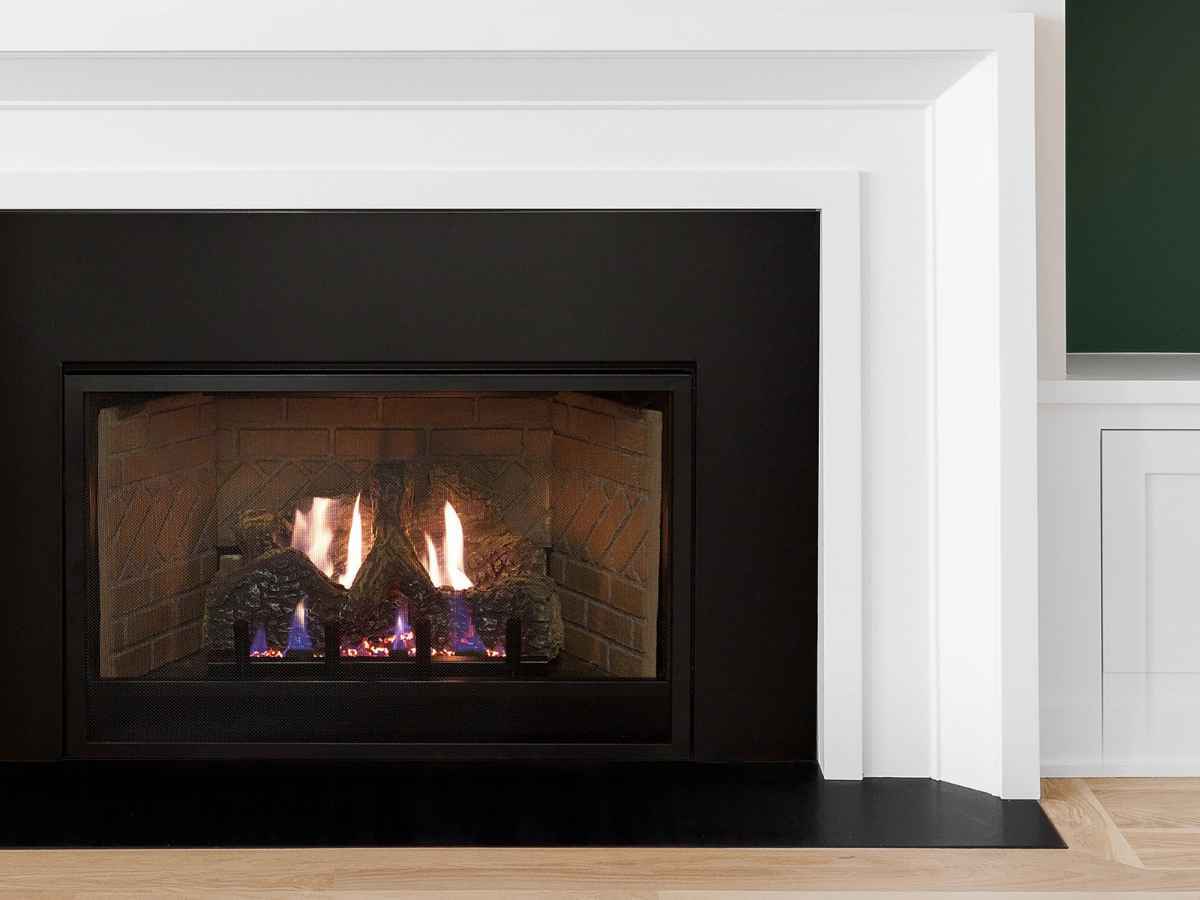
null

Vent-Free Fireplaces: Benefits, Costs & What to Know Before Buying

Learn how vent-free gas fireplaces work, their key benefits, typical costs, installation considerations, and what to know before buying.

Vent-Free Gas Fireplaces: Benefits, Costs & Buying Guide

Written By

Dylan Wheeler

Mod Living Spaces | Learning Center


Want the warmth and appearance of a real fire without installing a chimney or exterior venting? A vent-free gas fireplace, also called a ventless fireplace, may be worth considering.

Vent-free fireplaces offer flexible installation options, excellent heat retention, and the convenience of natural gas or propane. They're particularly appealing for homeowners who want to add supplemental heat or upgrade an existing fireplace without installing a new chimney.

However, they're not suitable for every home. Local building codes, room size, indoor air quality, and manufacturer requirements all play an important role in determining whether a vent-free fireplace is right for your space.

In this guide, I'll explain how vent-free fireplaces work, their biggest advantages, the different types available, and what you should know before purchasing one.


What Is a Vent-Free Gas Fireplace?

A vent-free gas fireplace is a gas-burning appliance that operates without a traditional chimney or exterior exhaust system.

Unlike a direct vent gas fireplace, which draws combustion air from outside and exhausts combustion gases outdoors, a vent-free fireplace uses air from inside the room for combustion.

The heat and combustion products are released directly into the living space.

Because no heat is intentionally exhausted through a chimney, vent-free fireplaces can provide substantial supplemental heat without the installation requirements of a conventional vented fireplace.


What Are the Benefits of a Vent-Free Gas Fireplace?

There are several reasons homeowners choose vent-free fireplaces, particularly when exterior venting isn't practical.

1. Excellent Heating Efficiency

One of the biggest advantages of a vent-free fireplace is its ability to retain heat.

Traditional vented fireplaces lose some heat through their exhaust systems. Vent-free fireplaces don't have an exterior exhaust, so nearly all the heat they generate remains inside your home.

This makes them attractive for homeowners looking for supplemental heating.

However, high heat retention doesn't automatically mean lower heating bills. Actual operating costs depend on fuel prices, appliance output, usage, and your home's heating needs.

2. No Chimney or Exterior Venting Required

Installing a conventional gas fireplace may require running vent pipe through an exterior wall or roof.

With a vent-free fireplace, that additional venting system isn't necessary.

This can make installation more straightforward in homes where adding exterior venting would be difficult, expensive, or impractical.

You'll still need an approved gas connection, appropriate clearances, and a location that meets all applicable installation requirements.

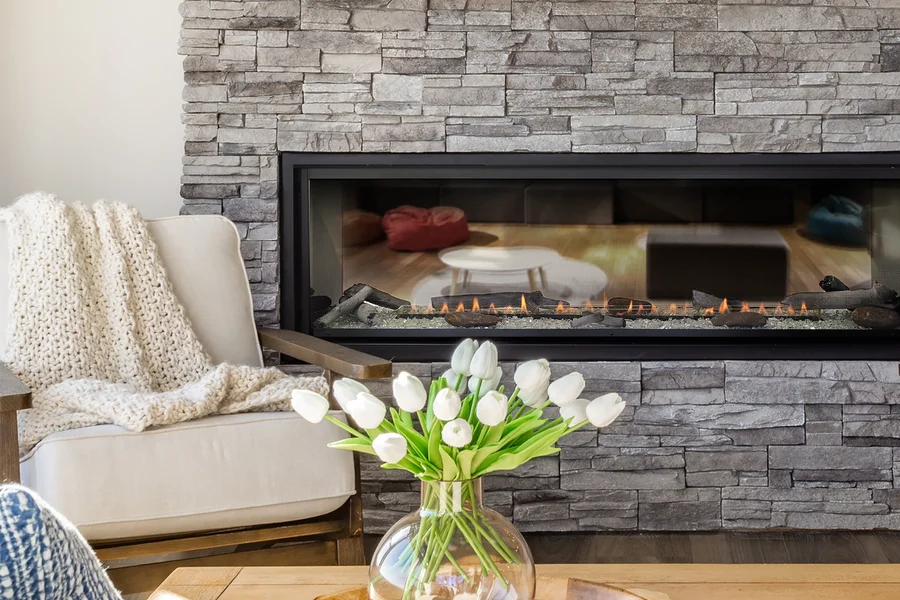
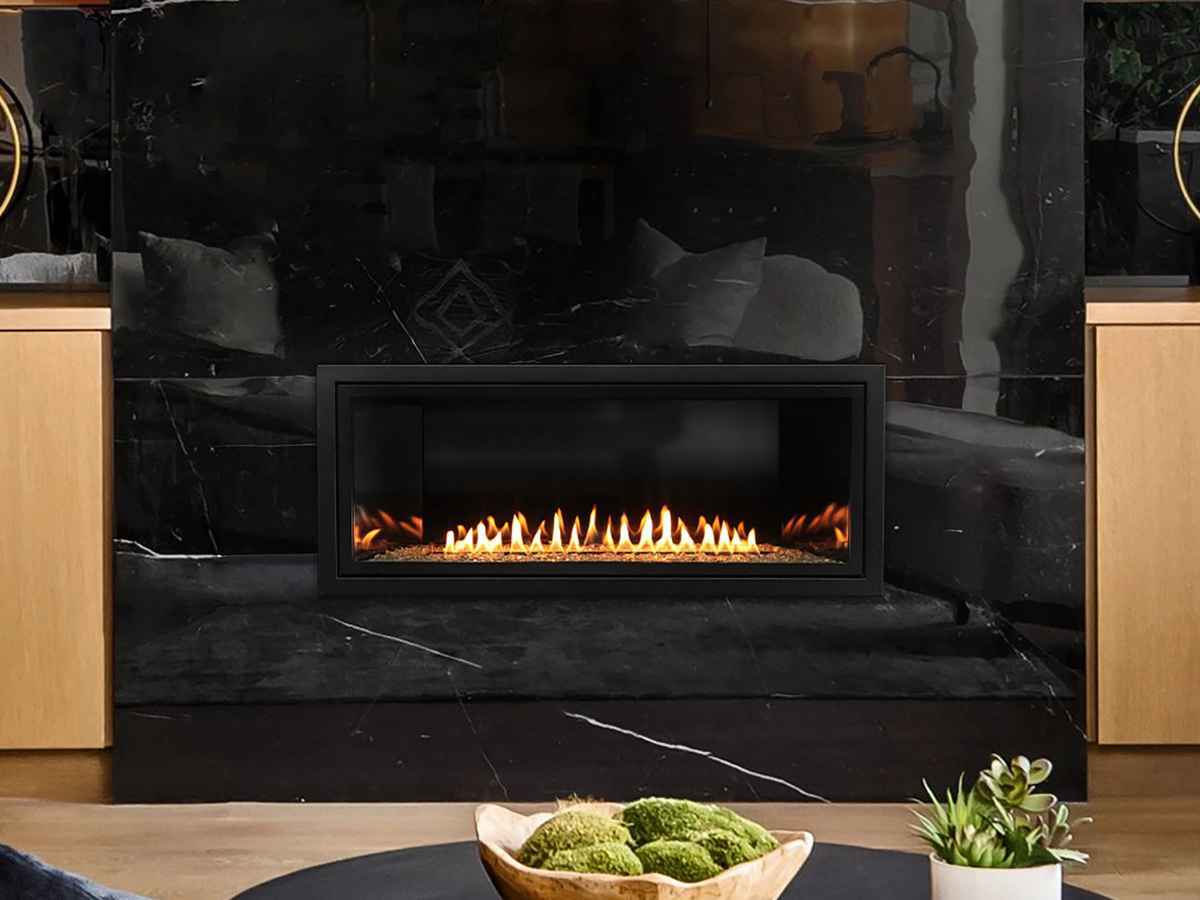
Empire Hearth Boulevard

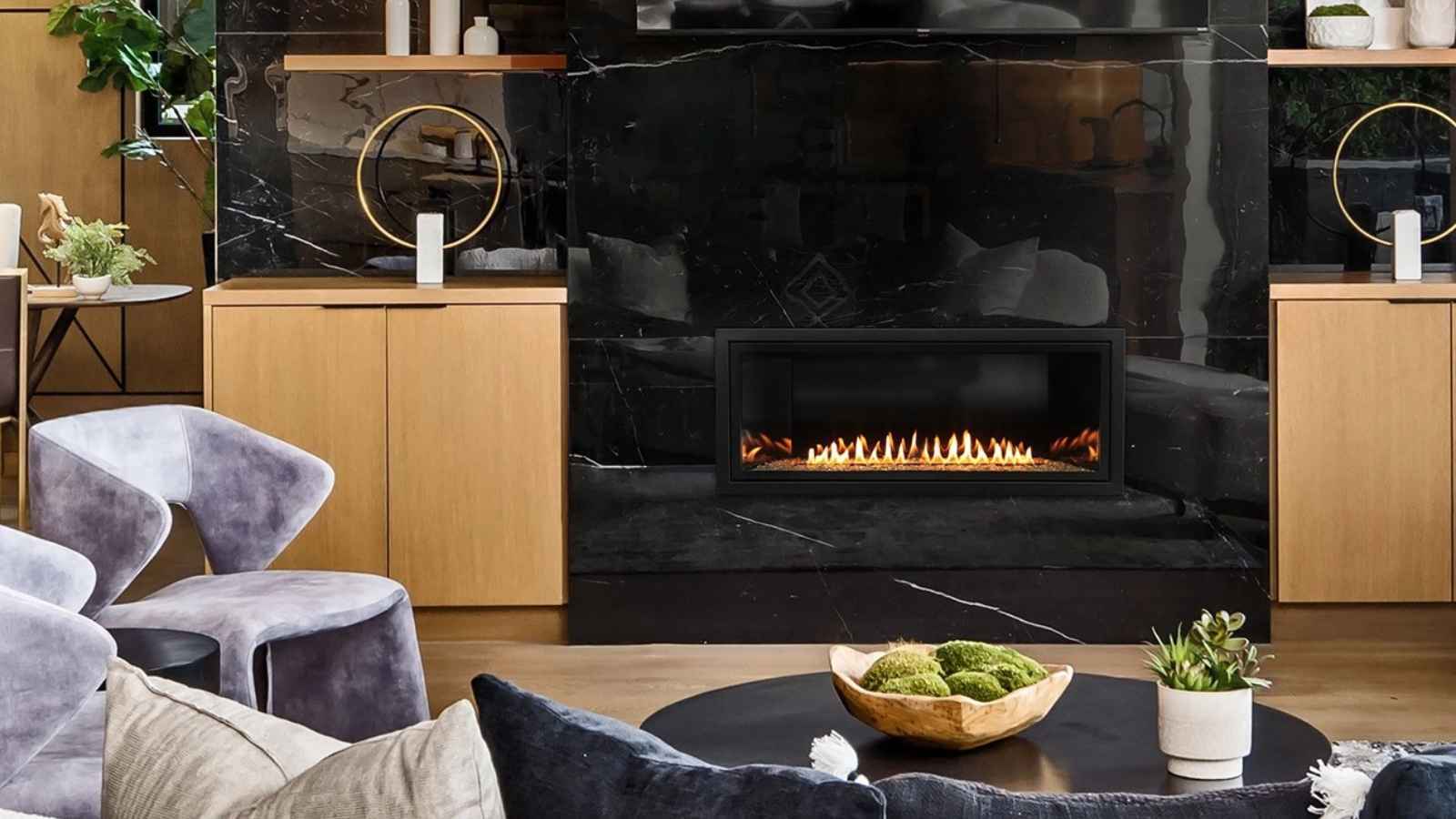
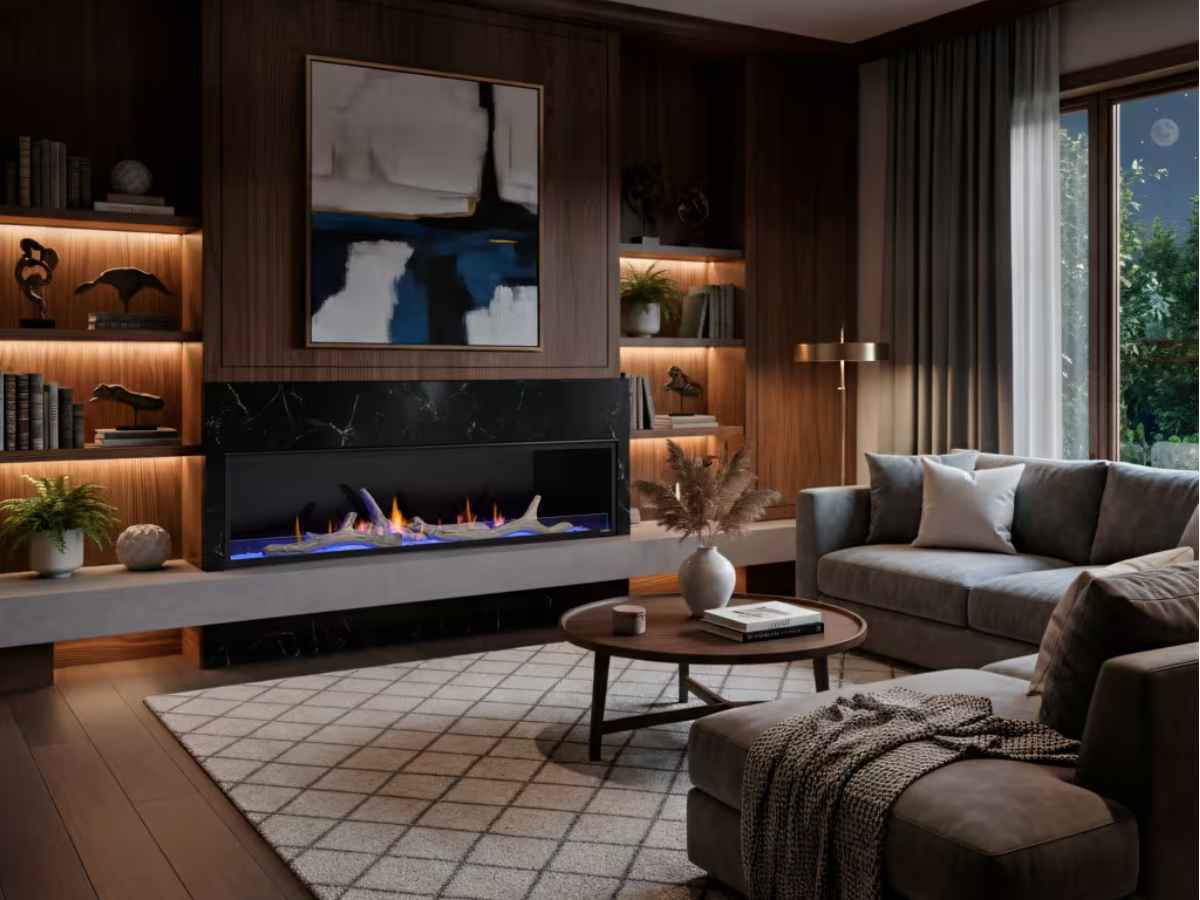
Monessen Artisan

3. Flexible Installation Options

Without exterior venting, vent-free fireplaces offer greater flexibility when planning a fireplace installation.

Depending on the model and local regulations, they can be incorporated into new construction, renovations, existing masonry fireplaces, and other approved locations.

However, vent-free doesn't mean you can install a fireplace anywhere.

Room size, ventilation, building codes, and manufacturer restrictions must all be considered before selecting an installation location.

4. Potentially Lower Installation Costs

Eliminating the exterior venting system can reduce the materials and labor needed for installation.

With a direct vent fireplace, you may need vent pipe, elbows, firestops, termination components, and additional framing.

Vent-free fireplaces eliminate those particular requirements.

You'll still need to account for the fireplace, gas connections, any required accessories, finishing materials, and professional installation.

5. Real Flames Without Burning Wood

If you love the appearance of a traditional wood-burning fireplace but don't want to store firewood, remove ashes, or maintain a wood-burning chimney, a vent-free gas fireplace offers a convenient alternative.

Many models feature realistic ceramic logs, glowing embers, and traditional fireplace designs.

Depending on the appliance, you may also have options for contemporary burners, decorative glass, and other interior finishes.

Our Recommendation: Vent-free fireplaces are worth considering when you want supplemental heat, real flames, and a potentially simpler installation without exterior venting. Just make sure your home and intended installation location meet all applicable safety and code requirements.


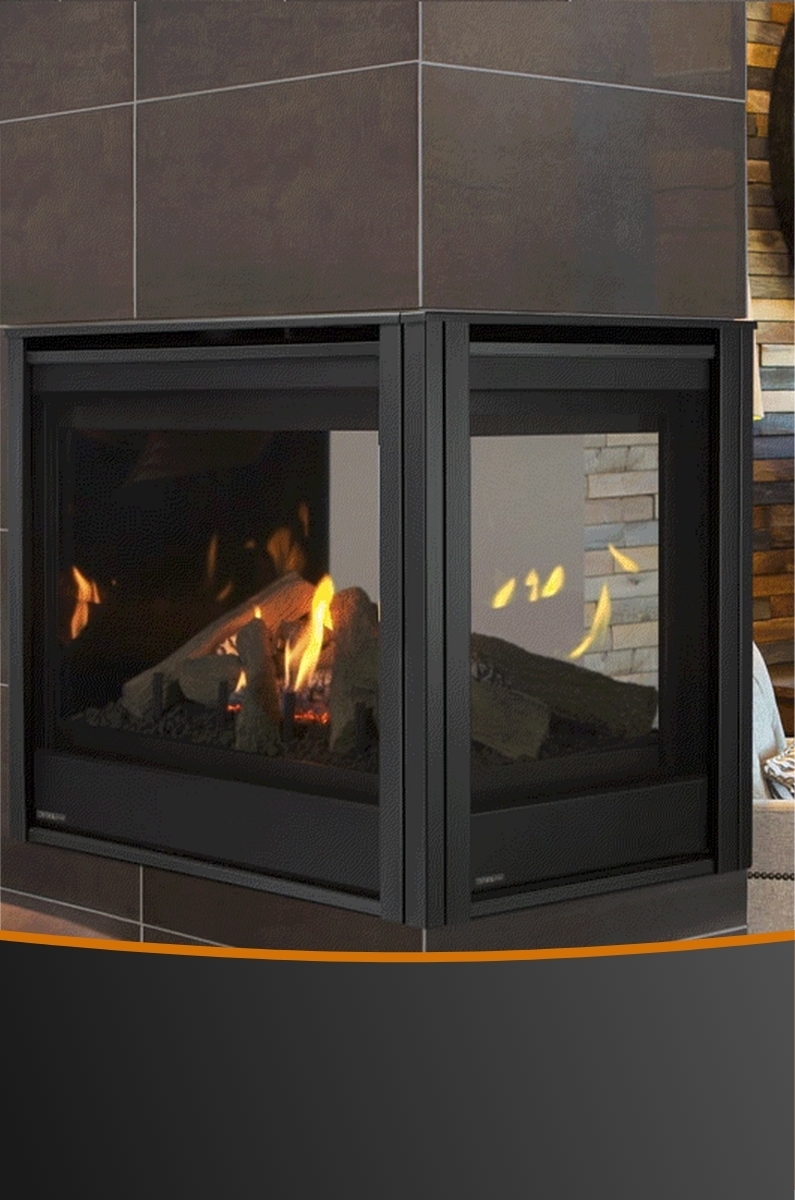
What Are the Different Types of Vent-Free Fireplaces?

Vent-free appliances come in several configurations, each designed for a different installation.

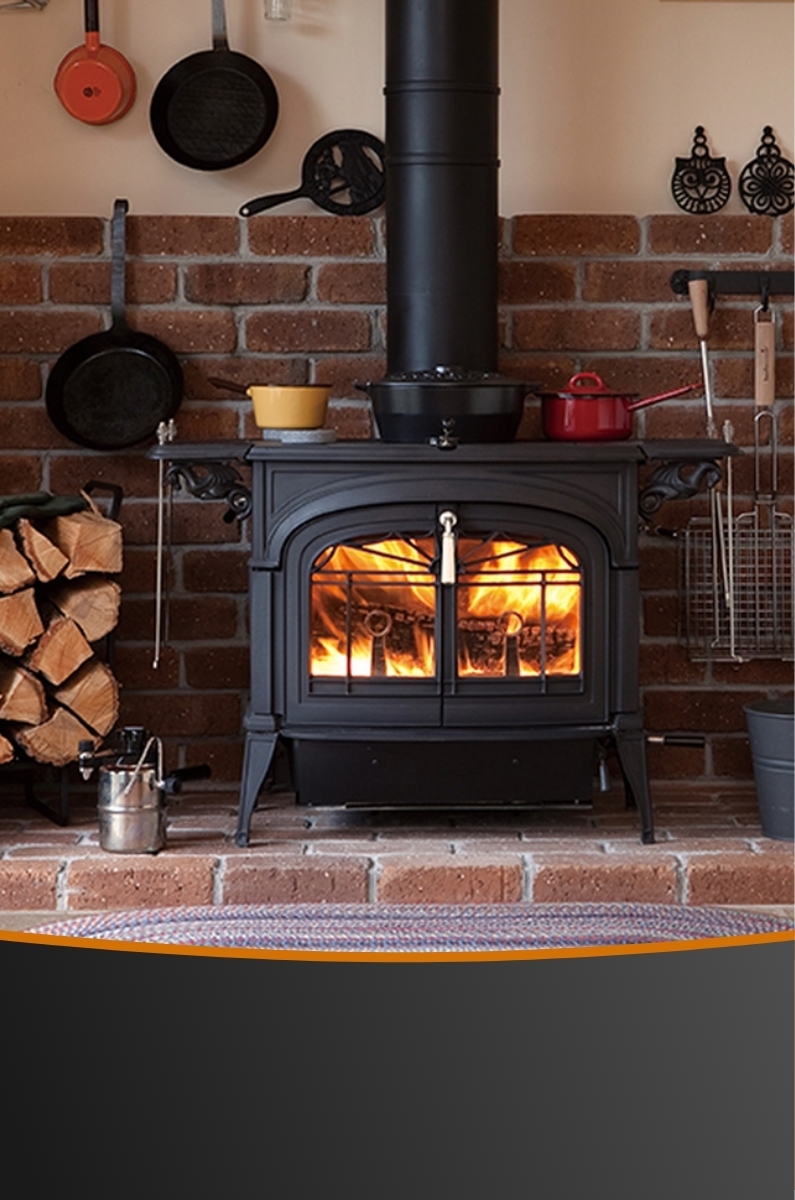
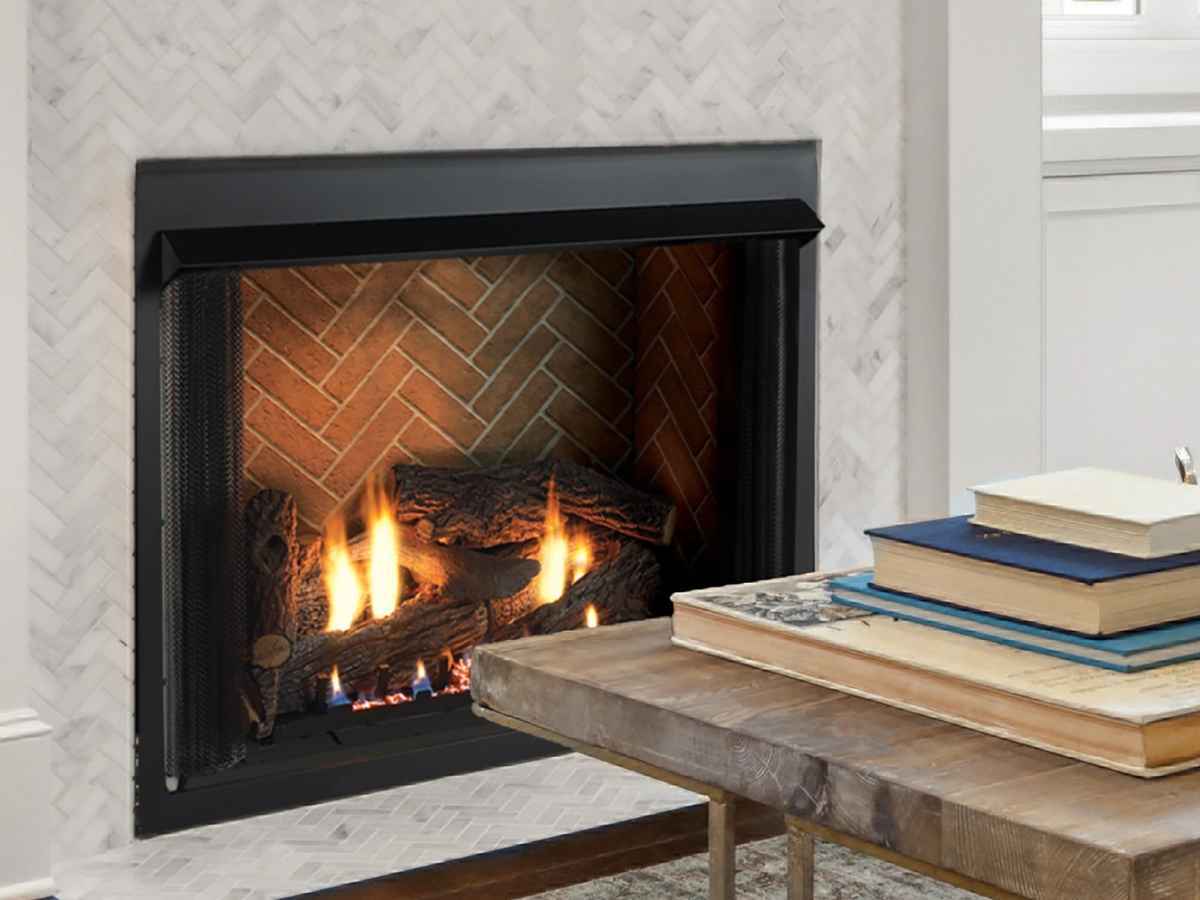
Empire Hearth Breckenridge Select

Vent-Free Gas Fireplaces

A complete vent-free gas fireplace includes a firebox designed for installation in a wall or other approved enclosure.

These fireplaces are particularly useful for new construction and remodeling projects where you want to create a fireplace without adding a chimney.

Some models include the burner and logs, while others require additional components.

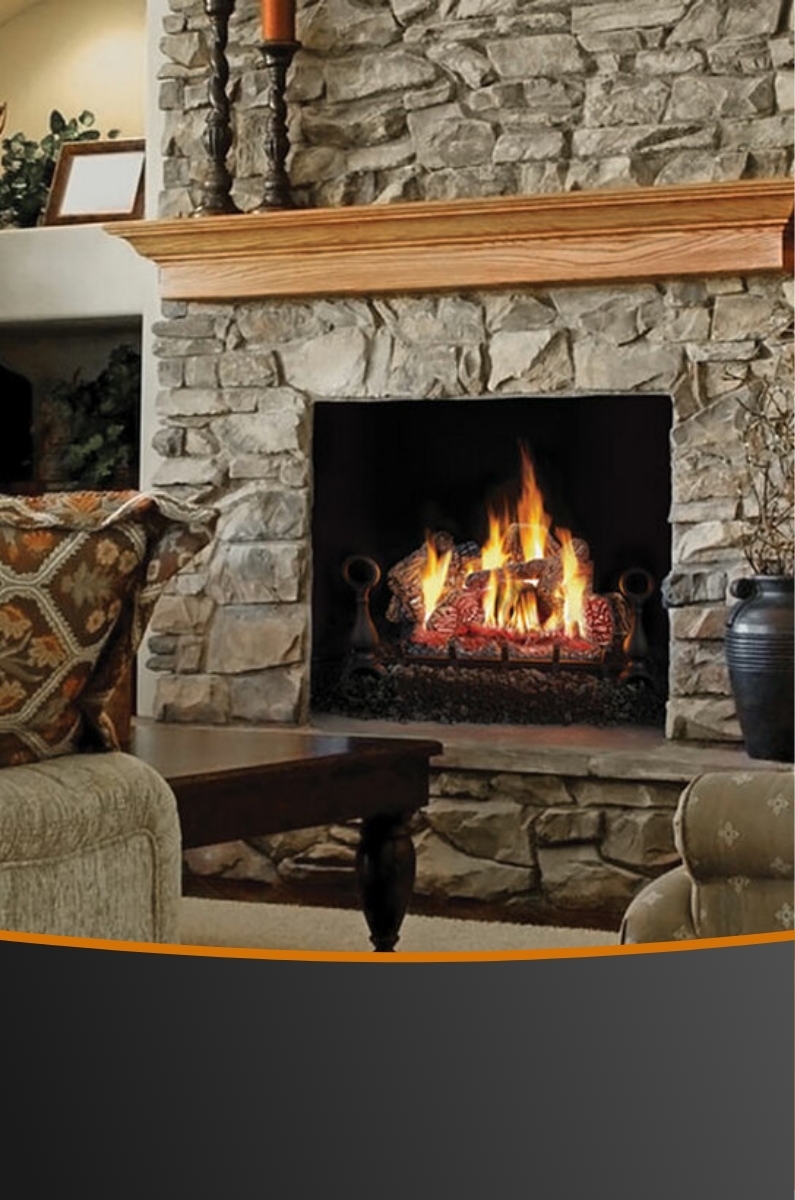
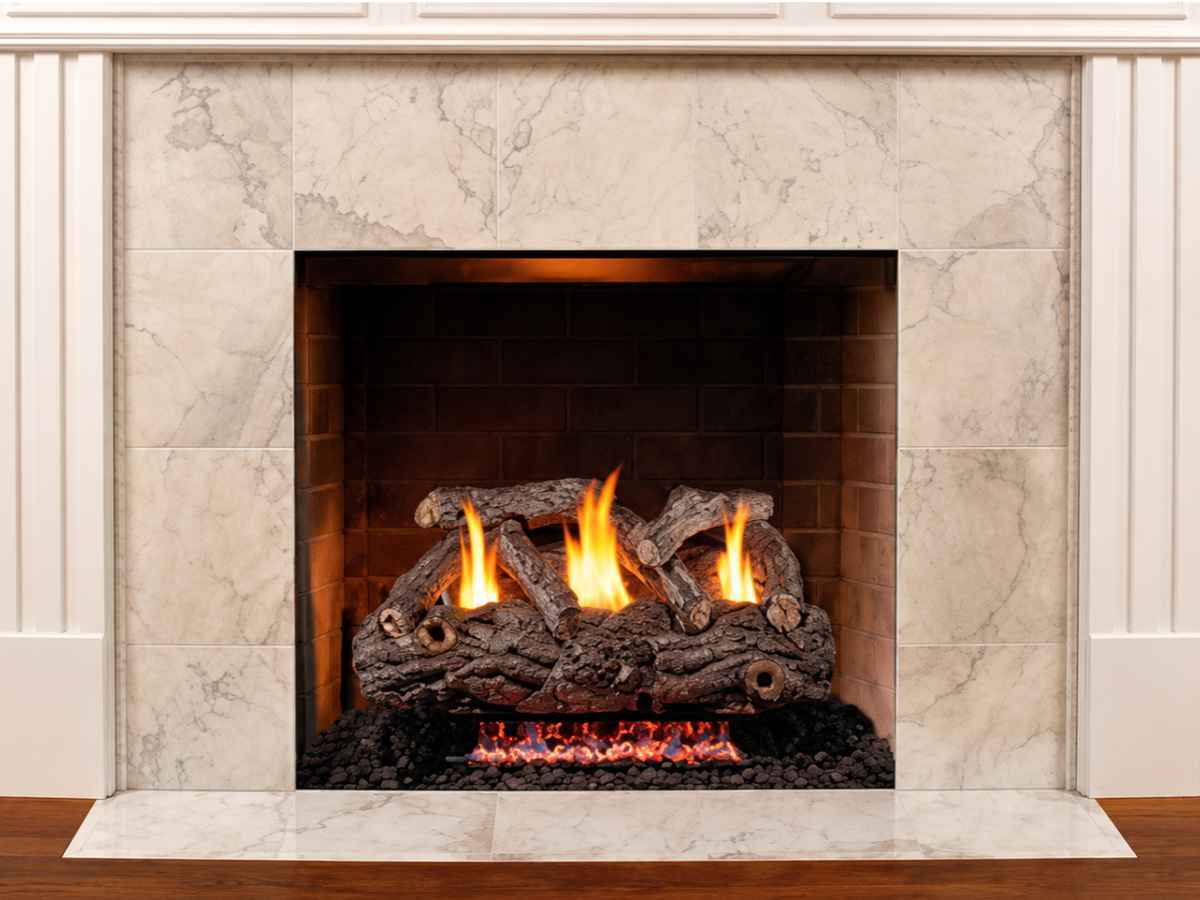
Real Fyre G9E Golden Oak Designer 

Vent-Free Gas Log Sets

Vent-free gas logs are designed for installation in compatible, approved fireboxes, including certain existing masonry fireplaces.

They recreate the appearance of a traditional wood fire using ceramic logs and a gas burner.

This can be an attractive option if you already have a fireplace and want to convert it to gas without installing a vented gas insert.

Always verify that your existing fireplace is approved for the specific vent-free log set you're considering.

Empire Hearth Innsbrook

Vent-Free Gas Fireplace Inserts

Vent-free gas inserts are designed to fit into compatible existing fireplace openings.

Unlike a complete fireplace intended for new construction, an insert is designed for a retrofit application.

A properly sized insert can give an existing fireplace a new appearance while providing supplemental heat.

Check the manufacturer's minimum fireplace dimensions and installation requirements before ordering.

Our Recommendation: For new construction, consider a complete vent-free gas fireplace. If you're upgrading an existing fireplace, compare compatible vent-free gas log sets and inserts based on your fireplace dimensions, heating needs, and installation requirements.


Do Vent-Free Fireplaces Produce a Lot of Heat?

Vent-free fireplaces can provide substantial supplemental heat because they retain nearly all their generated heat indoors.

However, the amount of heat you need depends on your room size, insulation, ceiling height, and climate.

Don't automatically choose the fireplace with the highest BTU rating.

An oversized vent-free fireplace can make a room uncomfortable and may introduce unnecessary moisture and combustion products into the living space.

It's important to select an appliance that's appropriately sized for the room and approved for the intended installation.

Our Recommendation: Choose a vent-free fireplace based on your room's heating needs, available combustion air, and manufacturer requirements rather than simply selecting the highest BTU output. Always confirm that the appliance is permitted by local codes.


Are Vent-Free Gas Fireplaces Safe?

Vent-free fireplaces are manufactured with safety features and must meet applicable certification requirements.

However, they operate differently from vented appliances because combustion takes place using indoor air and the resulting combustion products remain inside the home.

Proper installation, ventilation, operation, and maintenance are essential.

Oxygen Depletion Sensors

Listed vent-free gas fireplaces generally include an Oxygen Depletion Sensor (ODS).

This safety system is designed to shut off the gas supply if oxygen levels near the appliance fall below a specified threshold.

An ODS is an important safety feature, but it isn't a carbon monoxide detector and doesn't eliminate every risk associated with combustion.

Carbon Monoxide Considerations

Like other fuel-burning appliances, vent-free fireplaces can produce carbon monoxide, particularly if combustion is incomplete or the appliance isn't operating properly.

Because vent-free fireplaces don't exhaust combustion gases outdoors, proper installation and maintenance are especially important.

Install and maintain carbon monoxide alarms according to applicable codes and manufacturer instructions. Never use an ODS as a substitute for a carbon monoxide alarm.

Important Safety Reminder: Only install a vent-free fireplace where permitted by local codes and the manufacturer's instructions. Have the appliance professionally installed and inspected, provide the required combustion air, and maintain working carbon monoxide alarms in your home.


Do Vent-Free Fireplaces Create Moisture?

Yes. Burning natural gas or propane produces water vapor.

With a vented fireplace, combustion moisture is exhausted outdoors. With a vent-free fireplace, that moisture enters the living space.

In some homes, the additional humidity may be noticeable during dry winter months.

However, excessive moisture can cause condensation on windows and other surfaces and contribute to mold or moisture-related damage.

Consider your home's existing humidity levels, ventilation, and how frequently you plan to operate the fireplace.

Our Recommendation: If your home already experiences high humidity or condensation, carefully evaluate whether a vent-free fireplace is the right choice. A direct vent gas fireplace may be a better alternative because it exhausts combustion moisture outdoors.


Are Vent-Free Fireplaces Legal in Every State?

No. Vent-free gas fireplaces are restricted or prohibited in certain jurisdictions.

Local requirements can also limit where an approved appliance may be installed.

For example, bedrooms, bathrooms, manufactured homes, and other specialized installations may have additional restrictions or may be prohibited, depending on the jurisdiction and appliance.

Before purchasing a vent-free fireplace, verify the applicable building codes, local regulations, and manufacturer's installation instructions.

Your local Authority Having Jurisdiction (AHJ) can help confirm whether the intended installation is permitted.

Our Recommendation: Confirm local code approval before purchasing a vent-free gas fireplace. Even if a model is approved for sale, that doesn't necessarily mean it's permitted in your home or intended installation location.


8. Vent-Free vs. Direct Vent: What's the Difference?

Both types of gas fireplaces provide real flames and supplemental heat, but their combustion and venting systems are fundamentally different.

Feature Vent-Free Direct Vent
Exterior Venting Not required Required
Combustion Air Indoor air Outdoor air
Exhaust Released indoors Exhausted outdoors
Heat Retention Nearly all heat remains indoors Some heat exits through venting
Installation No exterior vent required Requires approved vent route
Indoor Moisture Adds combustion moisture Combustion moisture exhausted outdoors
Design Options Traditional and contemporary Extensive range of configurations

If your primary concern is eliminating exterior venting, a vent-free fireplace may offer practical advantages where permitted.

If you prefer sealed combustion and keeping combustion gases outside your home, a direct vent gas fireplace may be more appropriate.

Our Recommendation: Compare vent-free and direct vent fireplaces based on installation feasibility, indoor air quality considerations, heating needs, and local code requirements. Neither option is automatically the best choice for every home.


Frequently Asked Questions About Vent-Free Fireplaces

How Much Does a Vent-Free Fireplace Cost?

Costs vary by fireplace type, size, brand, and installation requirements. Gas log sets installed in compatible existing fireplaces may cost less to install than complete fireplaces requiring framing and finishing. Always compare the total installed cost.

Can You Install a Vent-Free Fireplace Yourself?

We recommend professional installation. Proper gas pressure, clearances, combustion air, and room sizing are essential for safe operation. Always follow the manufacturer's installation instructions and local codes.

Do Vent-Free Fireplaces Need Electricity?

Many models operate without household electricity using millivolt controls or battery-powered ignition. Others require electricity for ignition, controls, or blowers. Check the specific model's requirements.

Can You Leave a Vent-Free Fireplace Running Overnight?

Follow the manufacturer's operating instructions. Vent-free fireplaces generally aren't intended for unattended operation or primary heating. An oxygen depletion sensor doesn't make overnight operation automatically safe.

Do Vent-Free Fireplaces Need Maintenance?

Yes. Regular cleaning, inspection, and professional servicing when required help maintain proper combustion and safe operation. Follow the manufacturer's maintenance schedule.

Can I Put a TV Above a Vent-Free Fireplace?

Possibly, depending on the fireplace's clearance requirements and the TV manufacturer's temperature limits. Heat buildup can damage electronics, so verify compatibility before installation.


Is a Vent-Free Gas Fireplace Right for Your Home?

A vent-free fireplace can be an appealing solution when you want real flames, supplemental heat, and an installation that doesn't require exterior venting.

The key is making sure the appliance is appropriate for your home.

Before ordering, consider your room size, desired heat output, existing fireplace or framing dimensions, fuel type, local regulations, and indoor air quality.

If your project allows exterior venting, it's also worth comparing direct vent gas fireplaces before making a final decision.

Need Help Choosing a Vent-Free Gas Fireplace?

At Mod Living Spaces, we help homeowners, builders, designers, and contractors compare gas fireplaces and find products that fit their projects.

Whether you're upgrading an existing masonry fireplace or planning a new installation, we can help you understand the differences between vent-free fireplaces, gas log sets, inserts, and direct vent alternatives.

Contact our team with your fireplace dimensions, fuel type, installation location, and any questions about the products you're considering.

Have Questions? Talk to Our Experts.

As a family-owned business, Mod Living Spaces combines personalized customer service with industry expertise to help you compare products and find the right fireplace, grill, or outdoor living equipment for your project.

Call 631-899-2528