


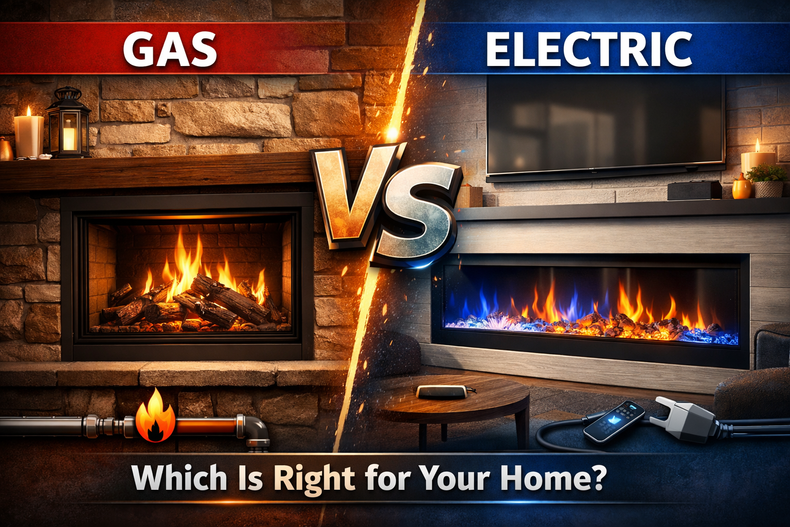
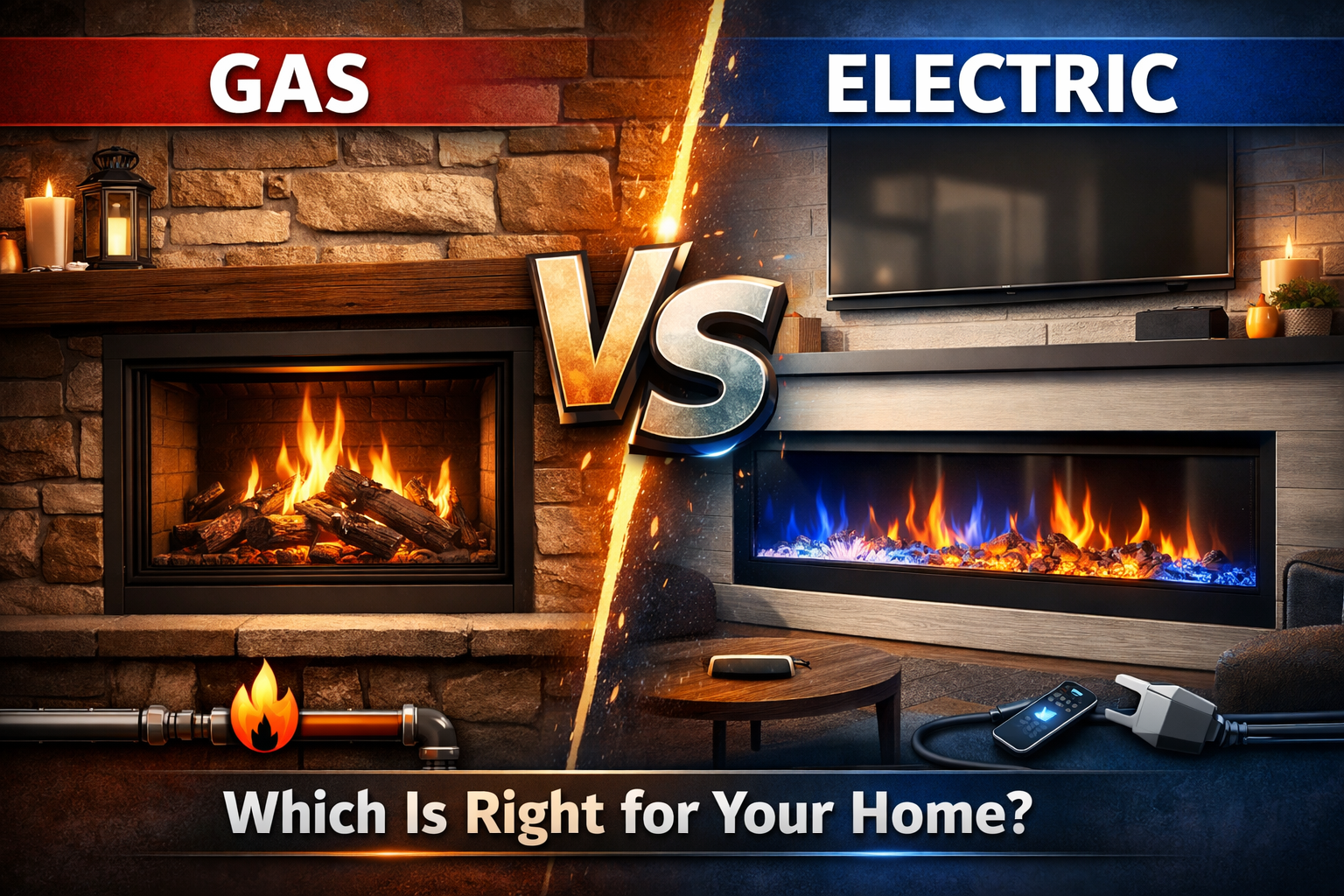
Choosing between a gas and electric fireplace is one of the most common questions homeowners ask when upgrading their space. Both options offer beautiful flame effects and added warmth — but they differ in installation, operating cost, heat output, and flexibility.
This guide breaks down the real-world differences so you can confidently choose the best fireplace for your home and lifestyle.
Electric Fireplaces — Simple, Flexible & Installation-Friendly
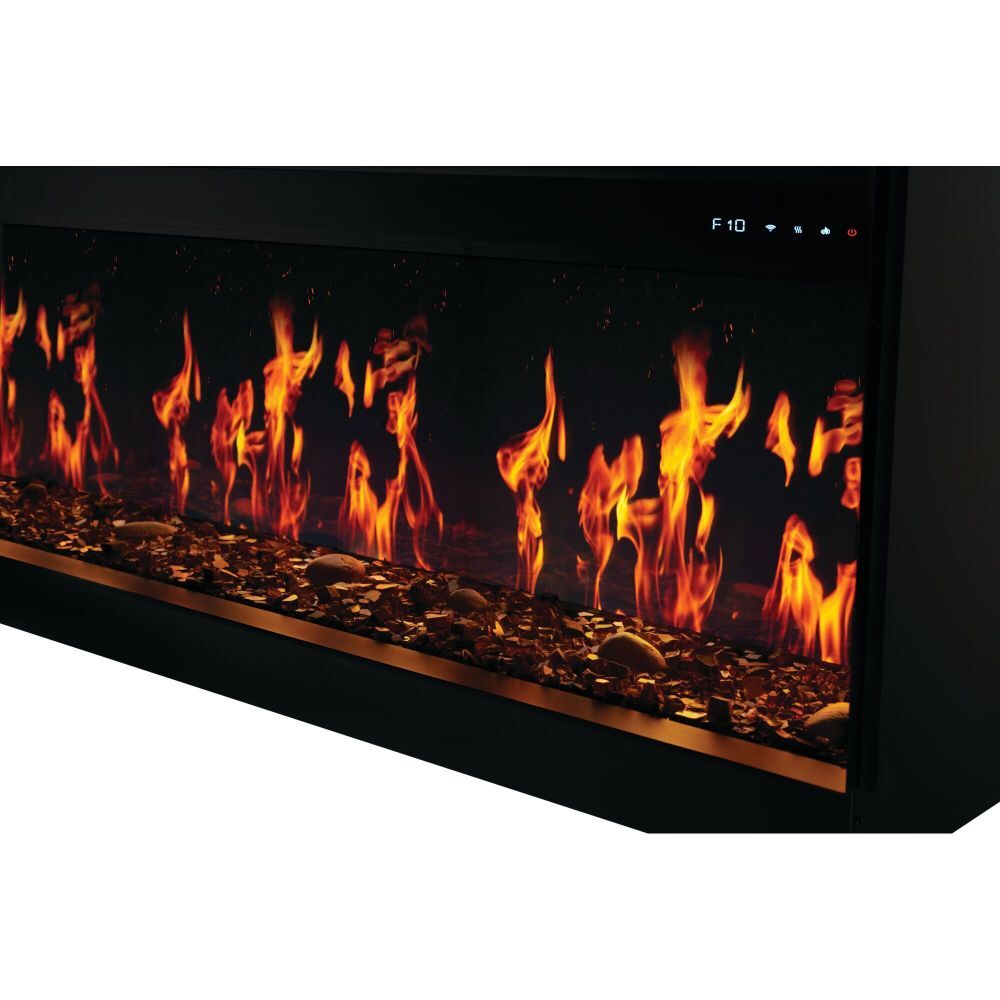
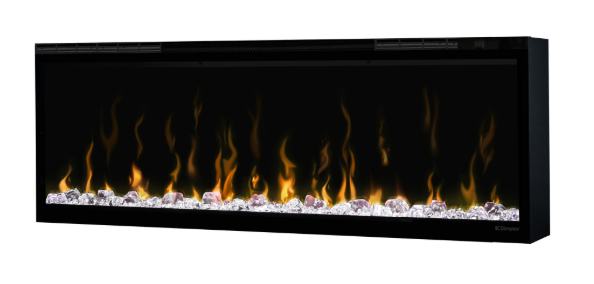
Electric fireplaces are the easiest way to add flame ambiance to almost any room. They don’t require venting, gas lines, or structural modifications.
Pros of Electric Fireplaces
-
No venting required
-
Plug-in or hardwire options
-
Lower installation cost
-
Safe for condos & apartments
-
Flame effects can run with or without heat
-
Great for media walls and renovations
-
Cool-to-touch glass on many models
-
Year-round visual use
Limitations
-
Heat output is lower than gas
-
Designed more for zone heating than whole-room heating
-
Flame realism depends on model quality
Best For:
-
Remodels and retrofits
-
Apartments and condos
-
Feature walls and TV fireplace builds
- Room upgrades or new builds on a budget
-
Customers who want fast installation
-
Design-first buyers
Top Electric Fireplaces:
Gas Fireplaces — Strong Heat & Real Flame Performance
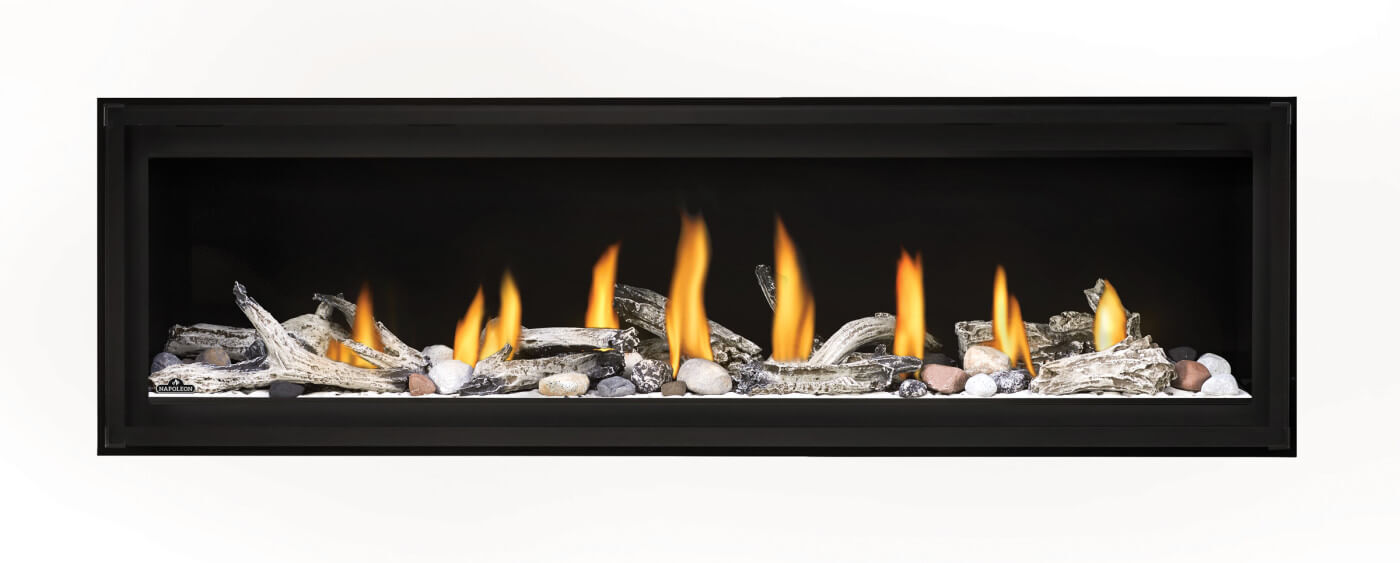
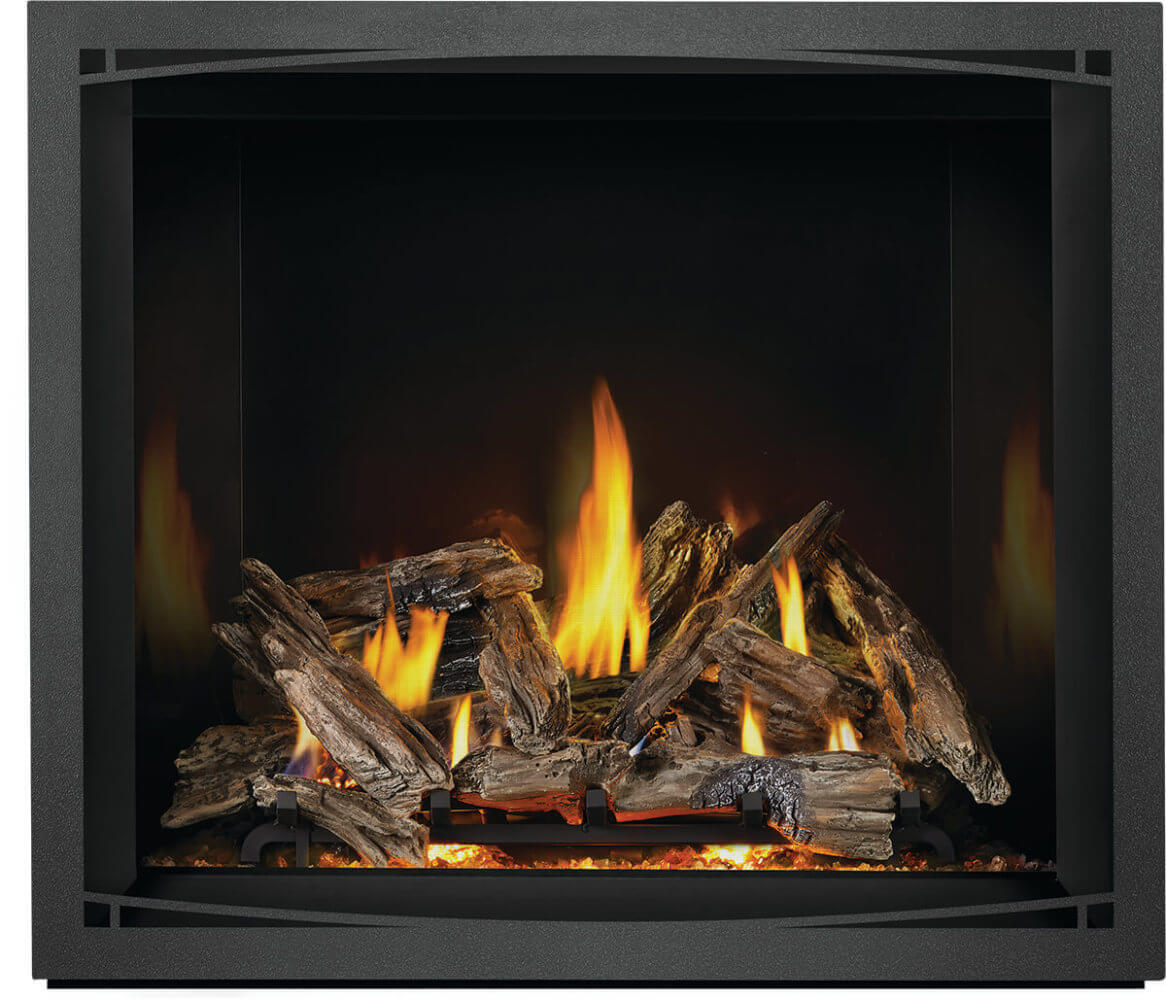
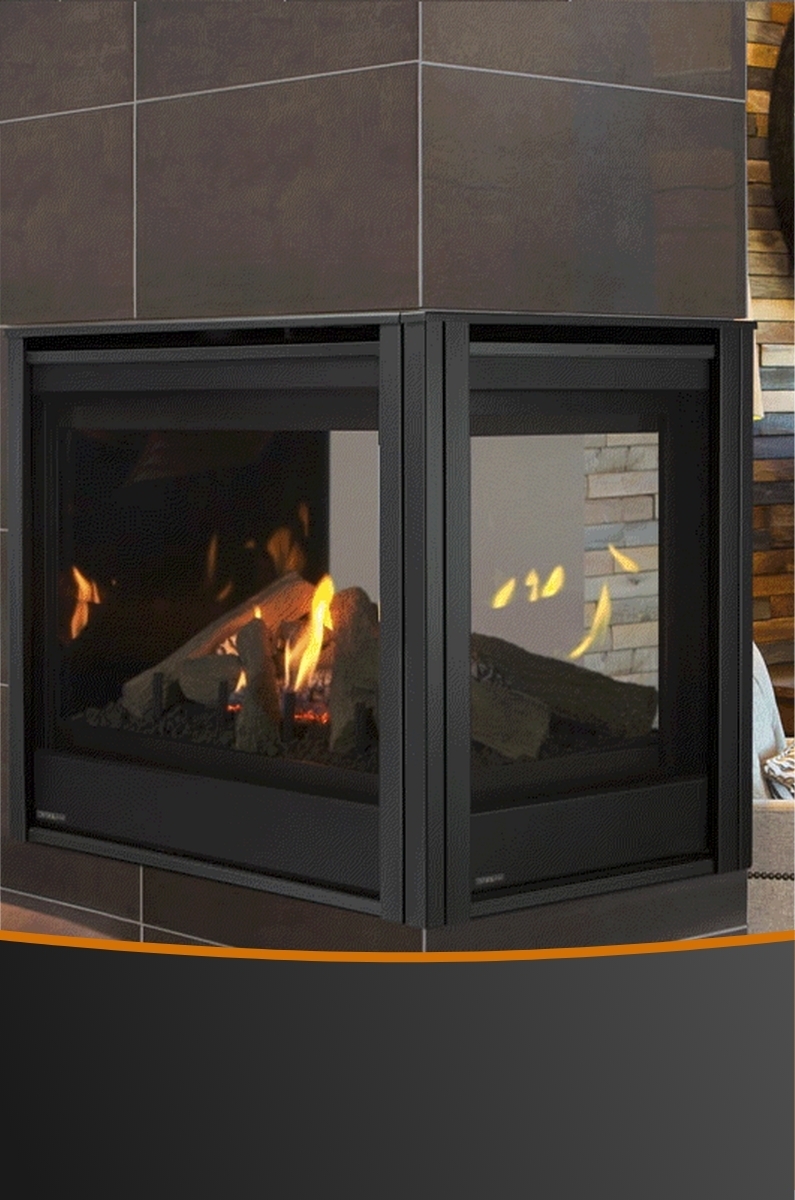
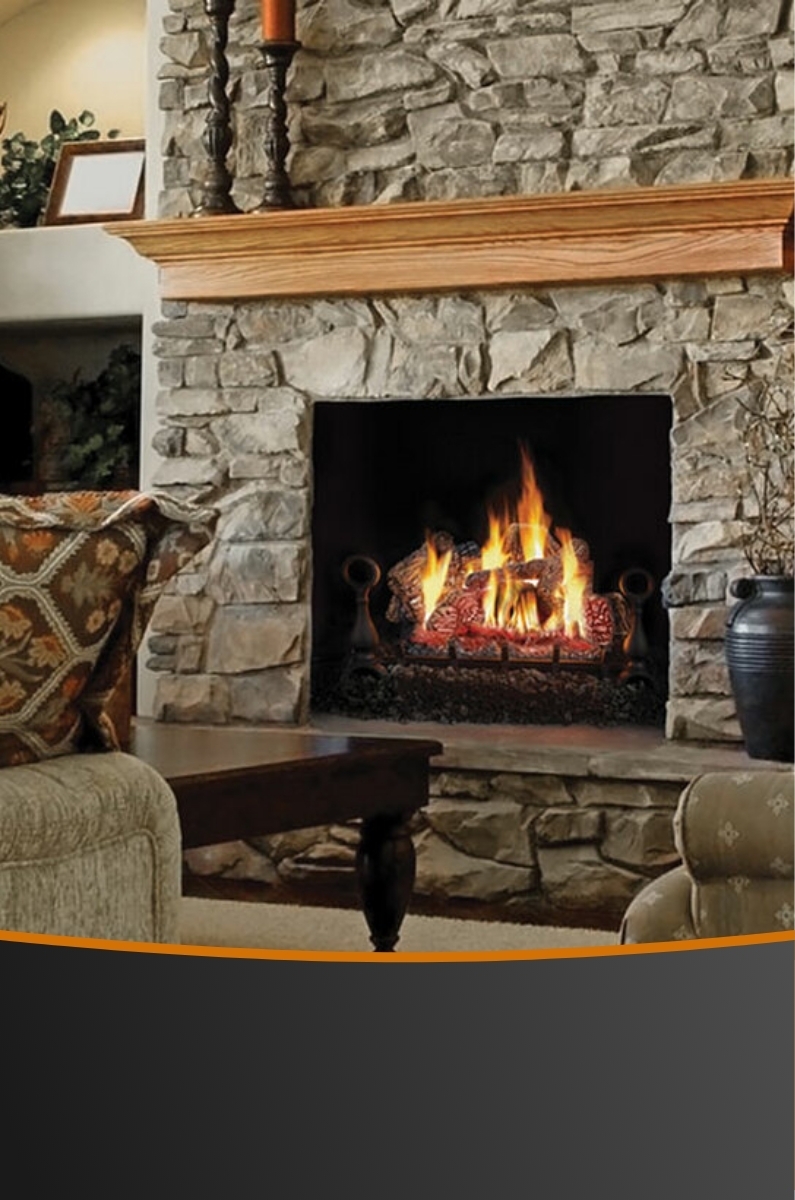
Gas fireplaces offer real flames and higher heat output. They are available in direct-vent and vent-free configurations and are often used as primary room heaters.
Pros of Gas Fireplaces
-
Real flame presentation
-
Higher BTU heat output
-
Can heat larger rooms
-
Works during power outages (many models)
-
More realistic ember and log visuals
- Remote and wall control options
Limitations
-
Requires gas line access
-
Venting usually required (direct vent models)
-
Higher installation cost
-
Professional install required
-
Less flexible placement than electric (not allowed in a wall mount)
Best For:
-
New construction
-
Major remodels
-
Homes with existing gas service
-
Customers wanting real flame heat
-
Cold-climate primary room heating
Top Selling Gas Fireplaces:
- Napoleon Vector 50" Linear
- Empire Boulevard 60" Vent Free (also available in Direct Vent)
- Majestic Quartz 42" Traditional
- Montigo Del Ray 60" Linear
Buyer Decision Shortcut
Choose Electric if you want:
-
Fast and easy installation
-
Lower upfront cost
-
Little to no construction work
-
Design flexibility
-
Media wall integration
Choose Gas if you want:
-
Maximum heat
-
Real flame experience
-
Whole-room warmth
-
Long-term heating performance
FAQ
Is a gas or electric fireplace cheaper to run?
Gas fireplaces usually cost less per unit of heat produced, but electric fireplaces can be cheaper overall if used mainly for visual ambiance. Electric fireplaces are usually cheaper to purchase than similar style and size gas fireplaces.
Can an electric fireplace heat a room?
Yes — most electric fireplaces provide supplemental zone heating for small to mid-sized rooms. Usually the max BTUs produced by an electric fireplace is 10,000 BTUs with the correct voltage.
Do gas fireplaces work when the power goes out?
Many millivolt ignition gas fireplaces will operate dsuring outages or run off of battery backup.
Do electric fireplaces look realistic?
Modern LED and holographic flame systems are highly realistic, especially in premium models. If you have questions about which models are the most realistic, please reach out to one our of experienced and knowledgeable fireplace specialists. Call or Text Us
Final Thoughts: Gas vs Electric — The Right Choice Depends on Your Goals
Both gas and electric fireplaces can transform your space — the best choice comes down to how you plan to use it.
If you want maximum heat and real flame performance, a gas fireplace is often the better long-term investment. If you want easy installation, design flexibility, and low upfront complexity, an electric fireplace is hard to beat.
Think about your space, your heat needs, your installation constraints, and your design goals. When those line up with the right fireplace type, you’ll get comfort, style, and value for years to come.
Still not sure which direction to go? Our team can help you compare options and find the best fit for your home and layout.